Uncovering the truth Debunking common gambling myths and misconceptions
Understanding Gambling Odds
One of the most pervasive myths in the gambling world is that certain games offer better odds than others based purely on intuition or personal experience. Many beginners believe that they can consistently win by choosing specific games like blackjack or roulette over others. However, understanding the actual odds and house edge is crucial for making informed decisions. Each game has its own set of probabilities, which are mathematically determined, and these odds do not change based on personal beliefs or past experiences. If you want to enhance your experience, finding the best online casino in canada can significantly improve your approach to gambling.

Furthermore, the misconception that one can “beat the house” through strategy often overlooks the fundamental nature of gambling. While strategies can improve your chances, they cannot eliminate the inherent risk involved. Knowledge of odds can empower players to choose games wisely but doesn’t guarantee success, as all outcomes are still fundamentally random.
The Gambler’s Fallacy
The gambler’s fallacy is a common belief among players that past events can influence future outcomes. For example, if a roulette wheel lands on red multiple times in a row, some might think that black is “due” to appear. This fallacy stems from a misunderstanding of independent events in gambling. Each spin of the roulette wheel, each roll of the dice, is an independent event that is not influenced by previous outcomes.
This misconception can lead to poor betting decisions and increased losses. New players should understand that past performance does not affect future chances, and relying on these beliefs can lead to a false sense of security. Embracing randomness is key in gambling, which should always be viewed as entertainment rather than a reliable source of income.
The Myth of “Hot” and “Cold” Machines
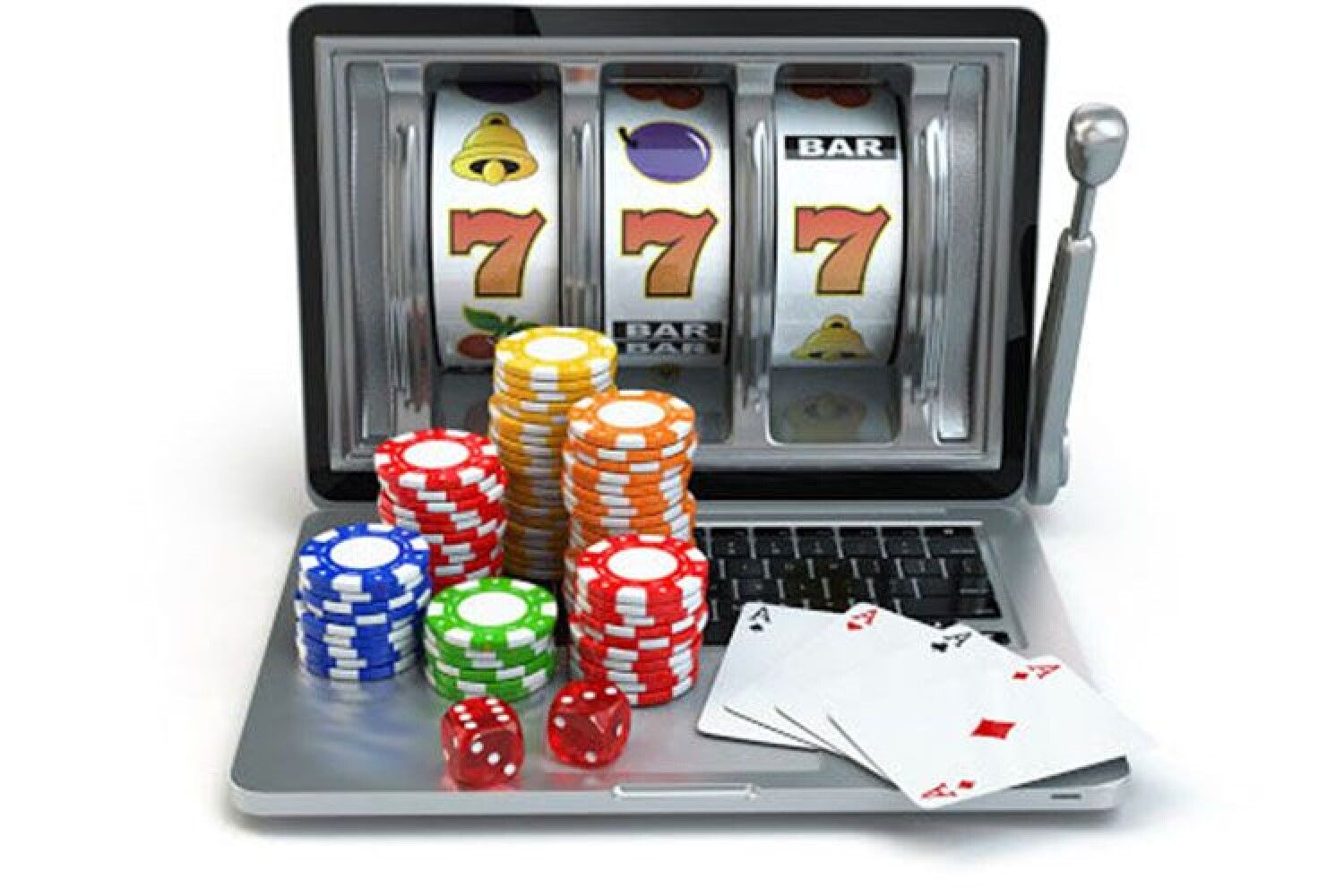
Many gamblers believe in the existence of “hot” and “cold” slot machines, where certain machines are more likely to pay out based on previous plays. This belief can draw players to specific machines, thinking they are more likely to win. In reality, slot machines operate on random number generators, making every spin an independent event unaffected by previous results.
These misconceptions can lead to a misguided approach to gambling. Understanding that each machine is designed to operate independently can help players manage their expectations and develop a more rational betting strategy. Believing in hot and cold machines can create emotional roller coasters that detract from the enjoyment of the game.
The Misconception of Skill vs. Luck
Another common myth is the belief that skill can always outweigh luck in gambling. While games like poker certainly involve strategic skill, many other gambling activities, such as slots and roulette, are predominantly luck-based. New players might assume that they can consistently win through skill alone, which can lead to disappointment and financial loss.
It’s essential to recognize that all gambling games involve a combination of skill and chance, but the balance varies significantly. Understanding this distinction helps players set realistic expectations and makes for a more enjoyable experience. In games where luck predominates, players should focus on enjoyment rather than a relentless pursuit of victory.
Your Guide to Safe Gambling
Finding reliable resources for gambling can be daunting for newcomers. It’s essential to consult platforms that provide comprehensive reviews and insights into online casinos. Such resources often highlight important factors like licensing, security measures, and the quality of customer service, ensuring players can make informed choices.
Choosing a reputable site enhances the gaming experience and increases the likelihood of safe and responsible gambling. With the right information at hand, players can navigate the online casino landscape confidently, allowing them to focus on enjoying their gaming experience rather than getting caught up in myths and misconceptions.